David Casini
Ancora Tu
Suburbia Contemporary, Spinnerei, Leipzig
Curated by Matteo Innocenti
https://suburbiacontemporary.com/david-casini-%c2%b7-ancora-tu/
1.11.2025 / 9.1.2026
Opening 1.11 at 11.00 h
BrancaParty PetrusDJ 19.00 h
Born in Montevarchi, Tuscany.
Lives and works in Bologna, Italy
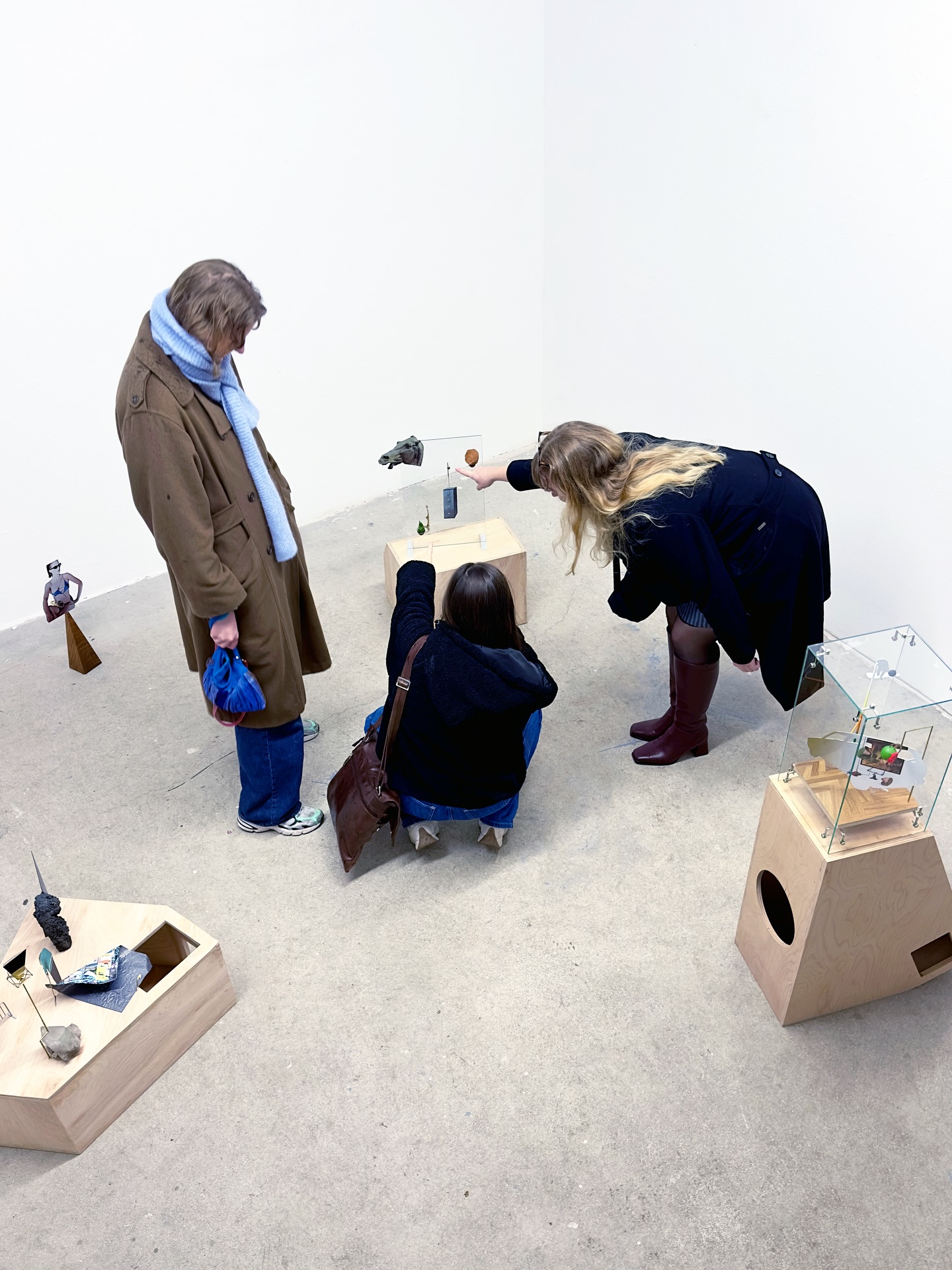
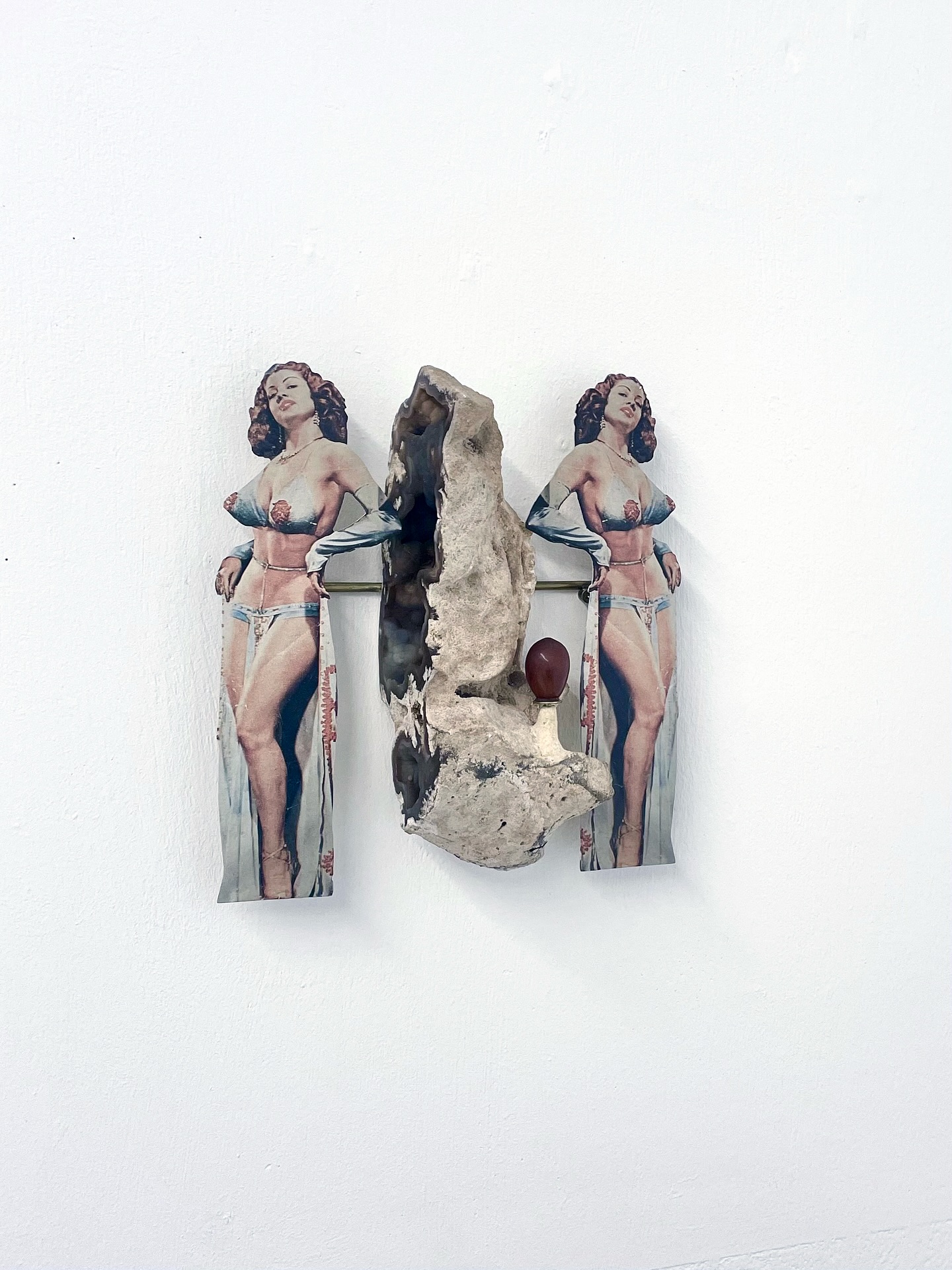
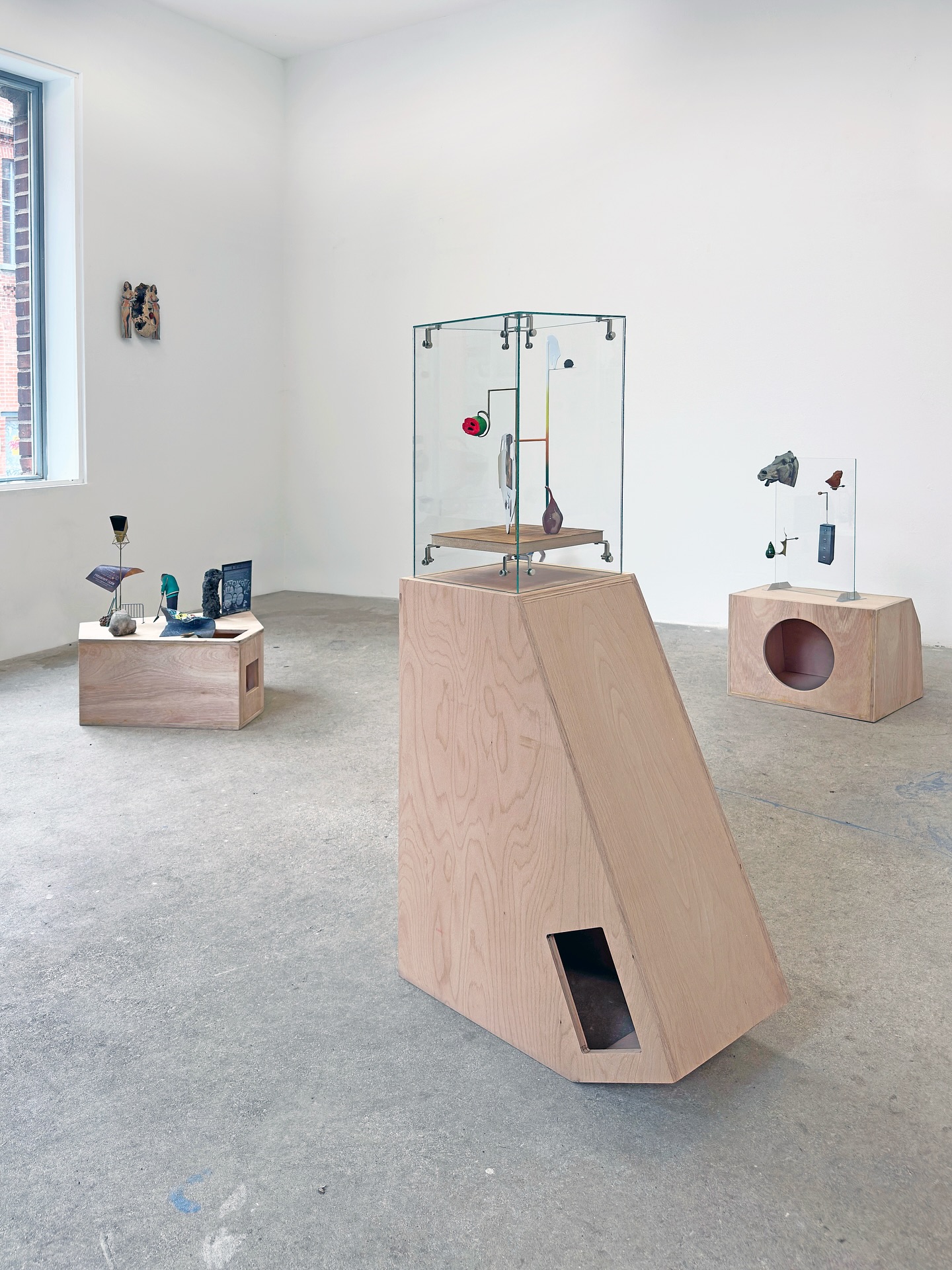
David Casini’s research is marked by a progressive process of selecting, processing, and relating elements from various origins. This has led him to define an original language in which sculpture, painting, and installation are brought into a close relationship, mutually supporting and influencing one another. Over the years, the artist has engaged with art history and the landscape tradition, especially the Italian one and that of his native region, Tuscany. In those works, the transformation of forms and concepts, often radical, did not erase but rather unveiled, or even highlighted, a traditional, Mediterranean origin, and sometimes a remote and geological one (hence the periodic use of minerals). His most recent developments have also incorporated music into this method. It would be more accurate to consider it a confirmation rather than a novelty. In his studio, while working on his pieces—which require manual skill and precision—Casini plays albums from his vinyl collection in the background. Considering this habit in retrospect, one can say that music has always been an important and inspiring presence, albeit not directly visible. The works presented at Suburbia Contemporary bring to the surface what has always been there but had not yet been directly shown. They are installation-sculptures that combine materials and images around a core element, which is precisely a record cover, reproduced in its entirety or as a fragment. For example, in Villiers Terrace, one can recognize the cover of Crocodiles (1980), the debut album of the post-punk band Echo & the Bunnymen. The record becomes an opportunity for a composition, nourished by the artist’s imaginations and obsessions, as well as a starting point for a narrative: the wooden base inspired by the floor of one of his favorite exhibition venues (specifically, the Kunsthalle Basel), the candied pear, other organic elements reproduced in resin as a tribute to still life, work tools such as vises and clamps, two nose-characters that seem to witness the scene, and the brass silhouette of a Fiat Uno car. The other works are equally rich in heterogeneous references, ranging from Duchamp’s The Large Glass to the album Carboniferous by the Italian experimental band Zu. And the bases that support some of the sculptures—sculptural parts in themselves, following the “lesson” of Brancusi—certainly refer to music, as they closely resemble speakers.
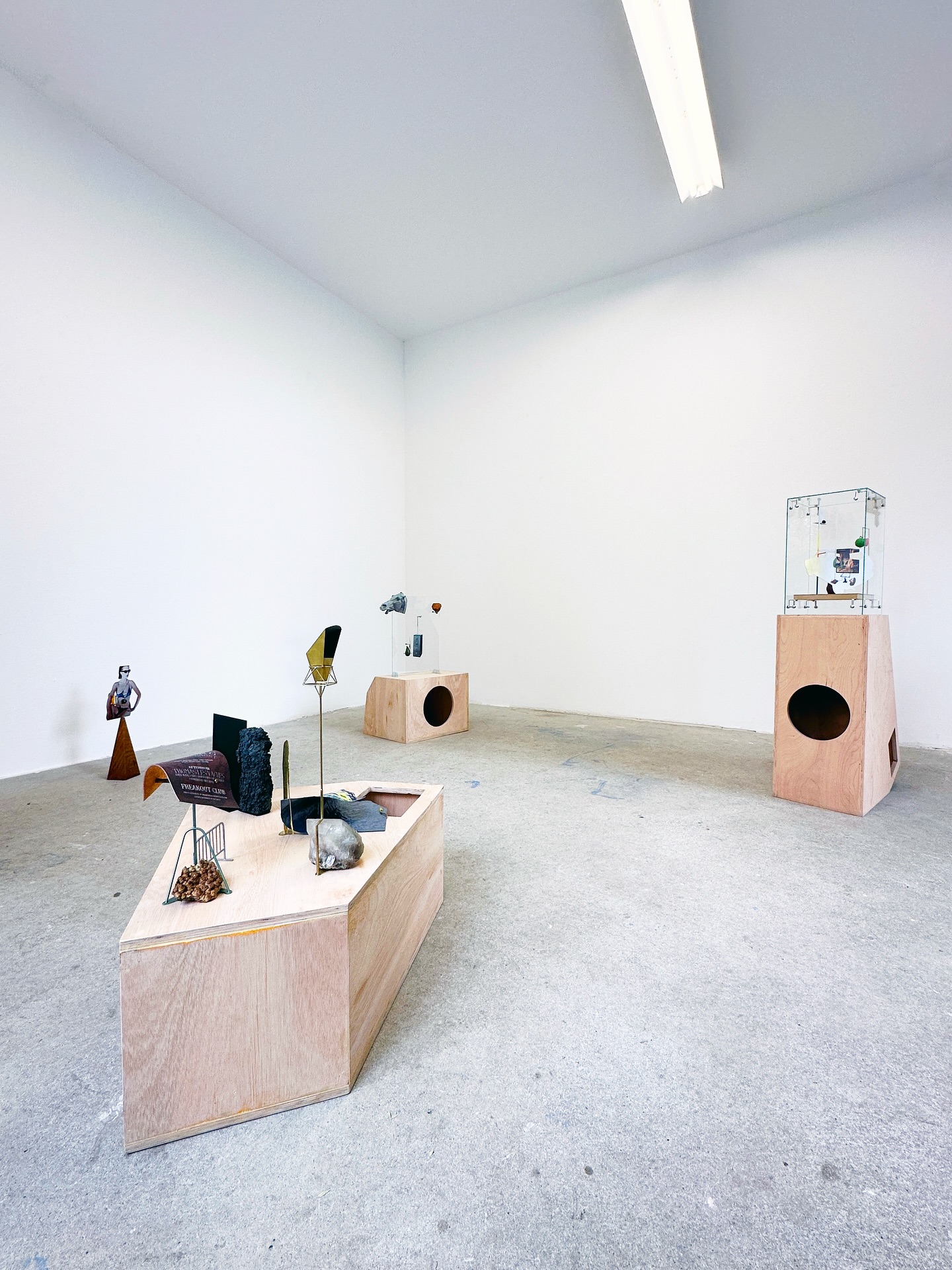
The most recent work, already indicating a further evolution, is Pizza Casa: a visual repertoire derived from what the artist encounters daily on his journeys and wanderings in the city where he lives, Bologna. Venues, shops, posters, architectural details, people, and rituals become, on a miniaturized scale, parts of a personal urban representation. This inventive game, staged on the gallery’s ground floor with a constant musical “note,” thus concerns both the artist’s practice and his lived experience, as well as the composite cultural scene that has shaped him over time.
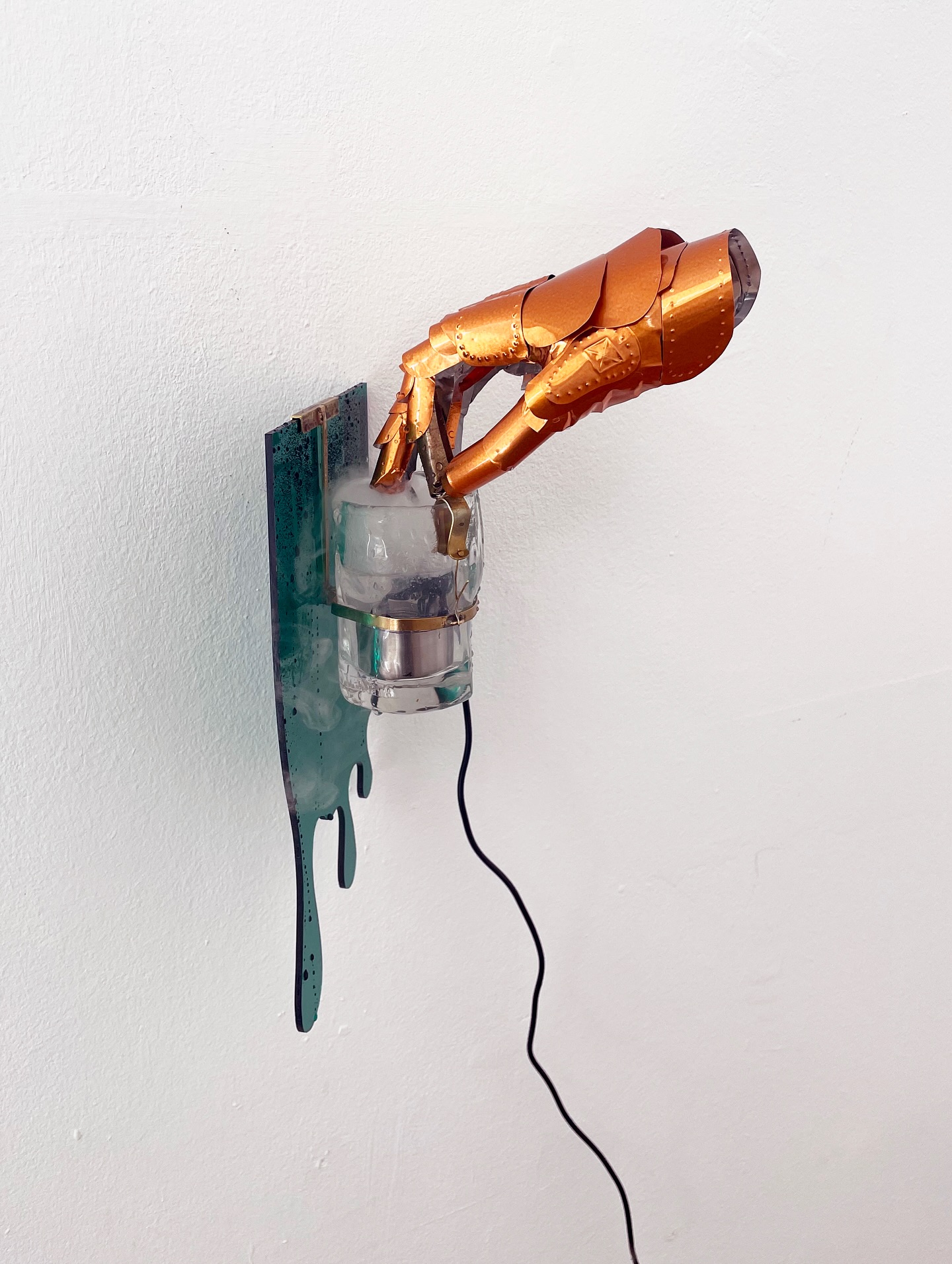
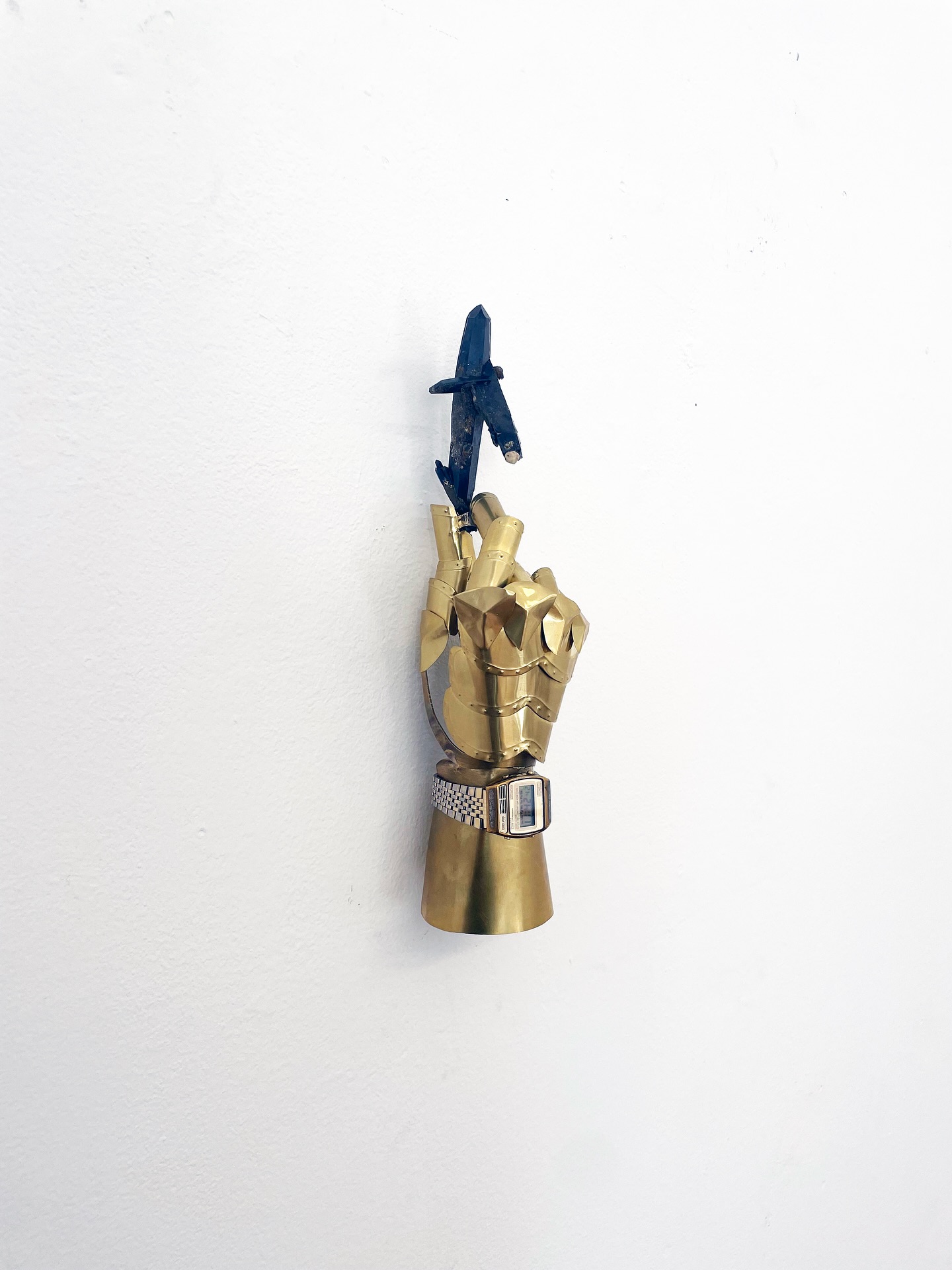
The upper floor, while maintaining the installation-sculpture approach, is also conceived in terms of action. Brass-molded hands, resembling medieval armored gauntlets and therefore potentially wearable, allude to conviviality. Being together and toasting, even when times change and reality becomes harsher. As in the case of Brrr…, which refers both to the sensual advertising spot for a famous Italian liqueur (which featured a glass sculpted from ice) and to the more severe one for a Dutch liqueur (with an armored hand banging on the table), evoking a particular historical period. Here is the artist’s statement on the matter: “It all started with a glass. An ice glass that in the 1980s was skillfully carved with an awl and hammer in a famous commercial. 12 months of summer… it traps the cold and makes it last long… while the others are at the equator… Brrr Brancamenta, words with a constant rhythm flood those roaring years of a booming Italy. But then comes Petrus, ‘Occidit qui non servat,’ meaning ‘he who does not serve it is ruined,’ and the hand returns, no longer a sculptor’s but an armored one, times are changing… and the lira is skyyyyrocketing.”
The work, itself animated by a nebulizer, is intended for people to meet and have a drink together.
The exhibition’s title is Ancora tu (You Again). It comes from a song by one of the most famous Italian singer-songwriters of the recent past, Lucio Battisti; a tribute to the musical theme of this project, to Italy, and to that set of images that return, vary, and combine to create the artist’s world.